
The Jolly Roger is one of the most recognizable symbols in world history. Featuring skulls, crossed bones, skeletons, swords, and other intimidating imagery, pirate flags have fascinated people for centuries. From the Golden Age of Piracy to modern movies, video games, and popular culture, the Jolly Roger remains the ultimate symbol of adventure, rebellion, and life on the high seas.
But what exactly is a Jolly Roger? Where did pirate flags originate, and what did they mean to sailors who encountered them?
In this complete guide, we explore the history, symbolism, and legacy of pirate flags and discover why they continue to capture the imagination of people around the world.
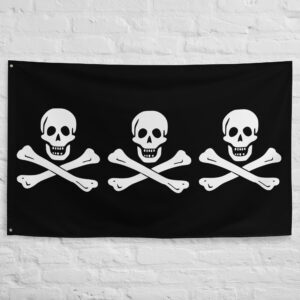
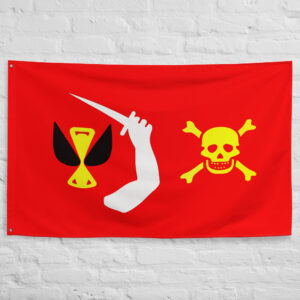
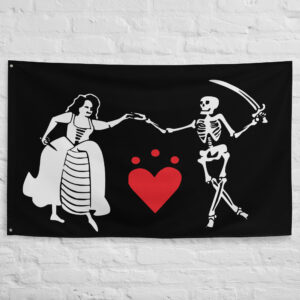
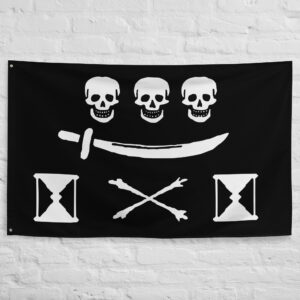
What Is a Jolly Roger?
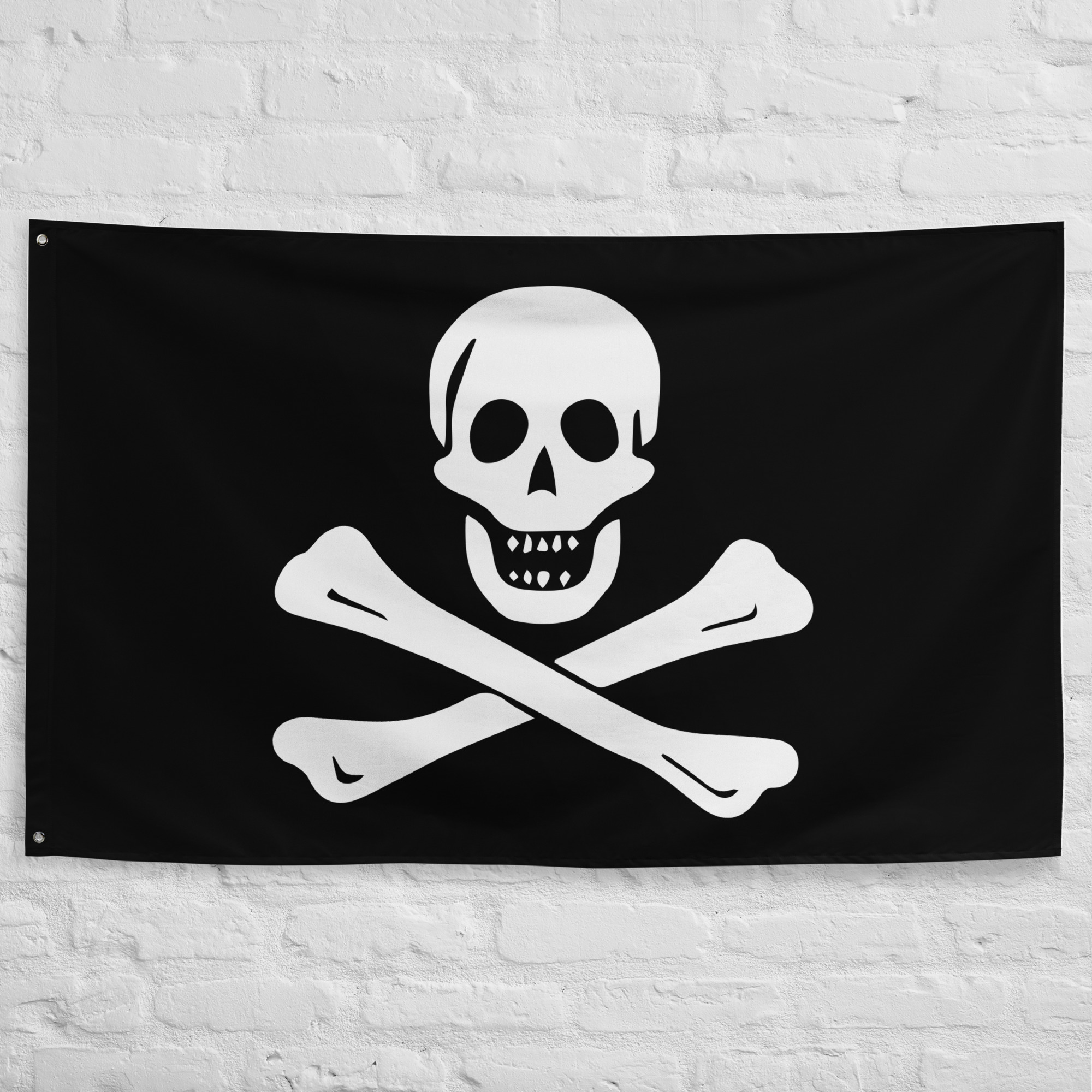
A Jolly Roger is the traditional flag flown by pirates to identify themselves and intimidate their targets.
Most people associate the term with the classic skull-and-crossbones design, but historical pirate flags came in many forms. Different pirate captains used unique banners that reflected their personalities, reputations, and intentions.
The primary purpose of a Jolly Roger was psychological warfare. A merchant ship that recognized a feared pirate flag often surrendered without resistance, allowing pirates to capture cargo without risking a battle.
Because of this, pirate flags became powerful symbols of fear throughout the world’s oceans.
The Origin of the Name “Jolly Roger”
The exact origin of the term “Jolly Roger” remains uncertain.
Historians have proposed several theories:
- It may come from the French phrase jolie rouge (“pretty red”), referring to red pirate flags.
- It may have evolved from old English expressions associated with rogues and criminals.
- Some scholars suggest connections to medieval symbols of death and rebellion.
While the true origin remains debated, the name “Jolly Roger” became widely used during the early 18th century, particularly during the Golden Age of Piracy.
Today, it is universally recognized as the name of a pirate flag.
The Golden Age of Piracy
The Golden Age of Piracy lasted roughly from 1650 to 1730.
During this period, famous pirates operated throughout:
- The Caribbean
- The Atlantic Ocean
- The American Colonies
- West Africa
- The Indian Ocean
Many of history’s most famous pirates sailed during this era, including:
- Blackbeard
- Calico Jack
- Bartholomew Roberts
- Charles Vane
- Edward Low
- Stede Bonnet
These captains helped establish many of the pirate flag traditions that remain famous today.
Why Did Pirates Use Flags?
Pirates relied heavily on reputation.
A feared pirate captain often achieved victory before a battle even began.
When a merchant crew spotted a notorious pirate flag approaching on the horizon, they knew what was coming.
The sight of a famous Jolly Roger could encourage surrender and prevent costly fighting.
Pirates often flew ordinary national flags while approaching a target. Once they were close enough to attack, they raised their pirate banner.
This dramatic reveal sent a clear message:
“Surrender now or face the consequences.”
The Meaning of the Skull and Crossbones
The skull and crossbones became the most famous pirate symbol in history.
The design served as a reminder of mortality and danger.
To sailors, the skull represented death, while the crossed bones reinforced the warning.
The message was simple:
Resistance could lead to death.
This powerful symbolism made the skull-and-crossbones design highly effective as a tool of intimidation.
Black Pirate Flags vs Red Pirate Flags
Not all pirate flags were black.
Historically, pirates commonly used both black and red banners.
Black Pirate Flags
A black pirate flag typically offered a chance to surrender.
If the target complied, the crew might survive and the ship would simply be looted.
Red Pirate Flags
A red pirate flag carried a much darker meaning.
Often called the “Bloody Red,” it signaled that no mercy would be given.
A ship that saw a red pirate flag understood that the pirates intended to fight without quarter.
For this reason, red pirate flags were among the most feared banners on the seas.
Blackbeard’s Famous Pirate Flag
Few pirates are more famous than Blackbeard.
His banner is one of the most recognizable pirate flags ever associated with a historical figure.
The design commonly depicts a horned skeleton holding an hourglass while pointing a spear toward a bleeding heart.
Every element carried meaning:
- The skeleton represented death.
- The hourglass symbolized time running out.
- The bleeding heart represented impending violence.
- The spear signaled attack.
Whether every version attributed to Blackbeard was actually used by him remains debated, but the design has become legendary.
Calico Jack and the Classic Jolly Roger
Calico Jack Rackham is often credited with popularizing the classic skull-and-crossbones image.
His flag featured:
- A skull
- Two crossed cutlasses
This simple yet memorable design became one of the most enduring pirate symbols ever created.
Today, many modern pirate flags are inspired by Calico Jack’s famous banner.
Bartholomew Roberts and Unique Pirate Designs
Bartholomew Roberts commanded one of the most successful pirate careers in history.
Unlike many captains, Roberts used several different flags.
One famous design depicted Roberts standing upon two skulls representing his enemies.
Another featured a skeleton holding an hourglass.
These banners demonstrate how pirate captains often customized their flags to create unique identities and reinforce their reputations.
Why Pirate Flags Remain Popular Today
Centuries after the Golden Age of Piracy ended, pirate flags remain incredibly popular.
They appear in:
- Movies
- Television shows
- Video games
- Sports teams
- Clothing
- Home décor
- Collectible memorabilia
People are drawn to pirate flags because they symbolize:
- Freedom
- Adventure
- Rebellion
- Courage
- Independence
The Jolly Roger has evolved from a weapon of intimidation into a celebrated cultural icon.
Frequently Asked Questions
What is a Jolly Roger?
A Jolly Roger is a pirate flag traditionally flown by pirates to identify themselves and intimidate their targets.
Why is it called a Jolly Roger?
The exact origin is uncertain, though many historians believe the term may derive from the French phrase jolie rouge or other historical expressions.
Did all pirates use the same flag?
No. Most pirate captains created unique designs featuring skulls, skeletons, weapons, hourglasses, and other symbols.
What does the skull and crossbones mean?
The skull and crossbones symbolize death and danger, warning ships of the threat posed by pirates.
What was the difference between black and red pirate flags?
Black flags generally offered a chance to surrender, while red flags signaled that no mercy would be given.
Who had the most famous pirate flag?
Blackbeard and Calico Jack are often considered the pirates most closely associated with famous Jolly Roger designs.
Conclusion
The Jolly Roger remains one of the most iconic symbols ever flown at sea. During the Golden Age of Piracy, pirate flags served as powerful psychological weapons that helped captains establish fearsome reputations across the world’s oceans.
From the skull-and-crossbones of Calico Jack to the terrifying imagery associated with Blackbeard, every pirate flag told a story. These banners symbolized danger, adventure, independence, and the bold spirit of those who sailed beyond the boundaries of conventional society.
Today, pirate flags continue to inspire collectors, historians, and fans of maritime history around the world.
External Resource: https://en.wikipedia.org/wiki/Jolly_Roger