
Mengjiang Flag Symbol of a Unique Chapter in Inner Mongolian History
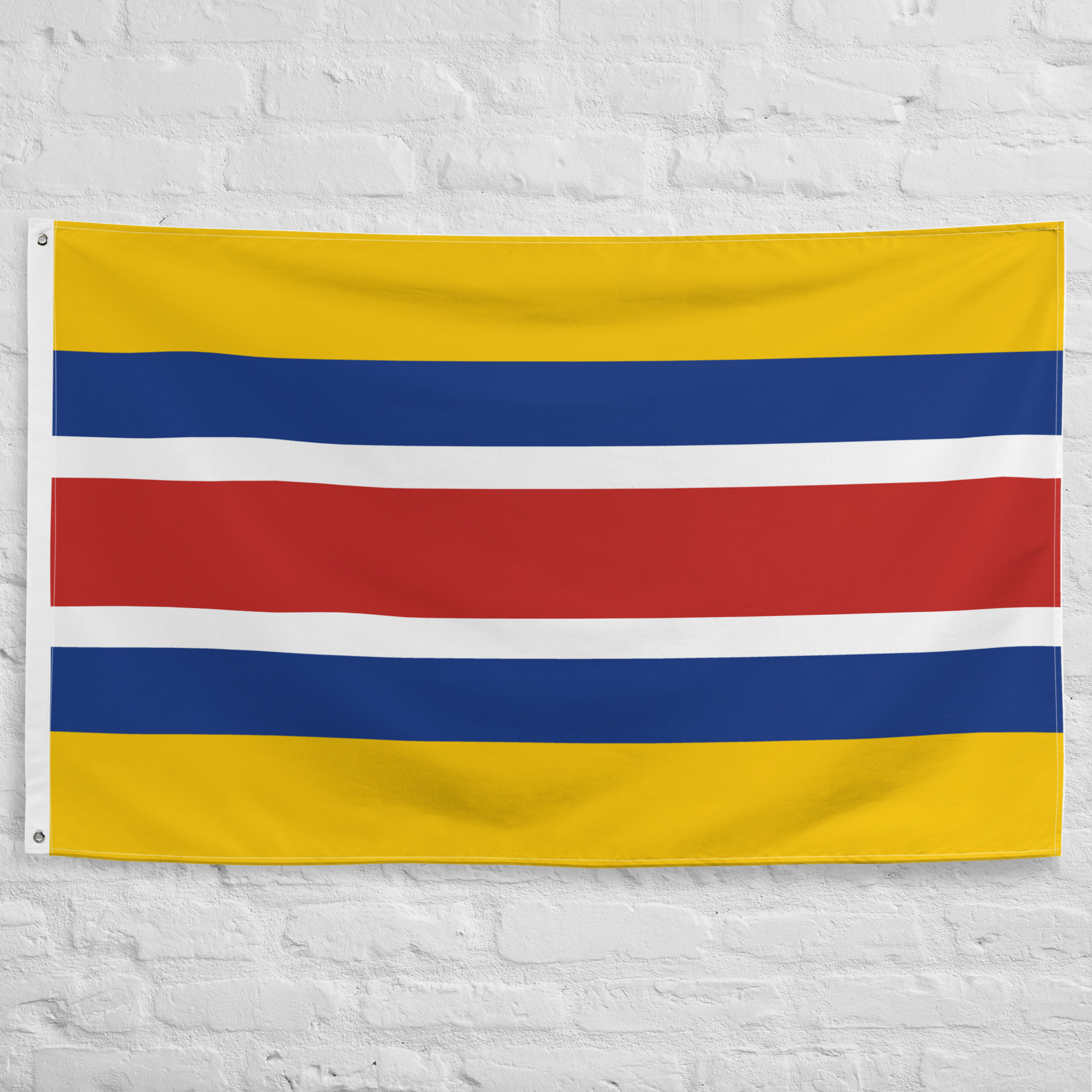
The Mengjiang Flag represents one of the most distinctive political entities of twentieth century East Asia. Associated with the Mongol Autonomous Government, often known in Western sources as Mengkiang, this historic banner symbolizes a complex period of political change, regional autonomy, and international influence in Inner Mongolia. With its striking combination of yellow, blue, white, and red stripes, the flag remains an important historical emblem for collectors, historians, and enthusiasts interested in the history of Mongolia, China, and East Asia.
The Origins of Mengjiang
Mengjiang emerged during the turbulent political environment of the 1930s. Following increasing Japanese influence in northern China, regional leaders in Inner Mongolia sought greater autonomy and political recognition. These developments eventually led to the establishment of a government that operated under the name Mengjiang, which governed portions of Inner Mongolia during a period marked by conflict and geopolitical change.
The Meaning Behind the Mengjiang Flag
The Mengkiang Flag features a series of colorful horizontal bands that reflected the political and cultural aspirations of the government it represented. The yellow field has often been associated with Mongolian traditions and heritage, while the blue stripe recalls the importance of the Eternal Blue Sky in Mongolian culture. The red and white elements further distinguished the flag and created a design unlike any other banner of the region.
Inner Mongolia During the Twentieth Century
The Inner Mongolia Flag is connected to a period when the region stood at the crossroads of competing political interests. Situated between China, Mongolia, and areas influenced by Japan, Inner Mongolia occupied a strategically important position. The history of Mengjiang reflects the challenges faced by local leaders attempting to navigate these complex circumstances.
The Mongol Autonomous Government
The Mongol Autonomous Government Flag symbolized efforts by certain Mongolian leaders to establish a greater degree of self governance within Inner Mongolia. Prince Demchugdongrub, often known as Prince De, became one of the most prominent political figures associated with the movement. His leadership helped shape the development of Mengjiang and its institutions.
Cultural Significance of the Flag
Although Mengjiang existed for a relatively short period, its symbols remain historically significant. The flag reflects aspects of Mongolian cultural identity and serves as a reminder of efforts to preserve regional traditions during a rapidly changing era. For many historians, the banner offers valuable insight into the relationship between politics, ethnicity, and regional identity in East Asia.
Mengjiang During World War Two
The Mengjiang Historical Flag is closely associated with the years leading up to and including the Second World War. During this period, Mengjiang functioned under significant Japanese influence and became part of the broader political landscape created in occupied territories of northern China. The flag therefore represents an important chapter in wartime Asian history.
The End of Mengjiang
Following the collapse of Japanese power in Asia in 1945, Mengjiang ceased to exist as a political entity. Control of the region changed rapidly as the political situation in China evolved. Although the government disappeared, its symbols survived as historical artifacts that continue to attract interest from researchers and collectors.
Why Collectors Appreciate the Mengjiang Flag
Collectors value the Mengjiang Flag because it represents a lesser known but historically fascinating state. Unlike many national flags, it symbolizes a unique political experiment that existed during a period of major transformation in Asia. Its distinctive color pattern also makes it visually striking among historical flags from the twentieth century.
Educational Value of the Mengjiang Flag
The flag serves as an excellent educational resource for exploring the history of Inner Mongolia, regional autonomy movements, and East Asian geopolitics. Students and historians often examine Mengjiang as a case study of how local identities interacted with larger international forces during the first half of the twentieth century.
The Legacy of Mengjiang
The Mengkiang Flag remains a symbol of a unique historical era. While the government it represented no longer exists, the banner continues to provide insight into the political, cultural, and diplomatic complexities of Inner Mongolia during a transformative period. Today it remains an intriguing piece of vexillological and historical heritage.
Browse our collection of Historical Flags to discover more banners from former states, autonomous regions, kingdoms, and historic governments from around the world.
Learn more about Inner Mongolian history through Encyclopaedia Britannica: History of Inner Mongolia.
Product Features
- 100% polyester construction
- Durable knitted fabric
- Printed on one side
- Blank reverse side
- 2 iron grommets for easy display
- Suitable for indoor and outdoor use




Reviews
There are no reviews yet.