
Christopher Moody Pirate Flag Symbol of Fear and Pirate Power
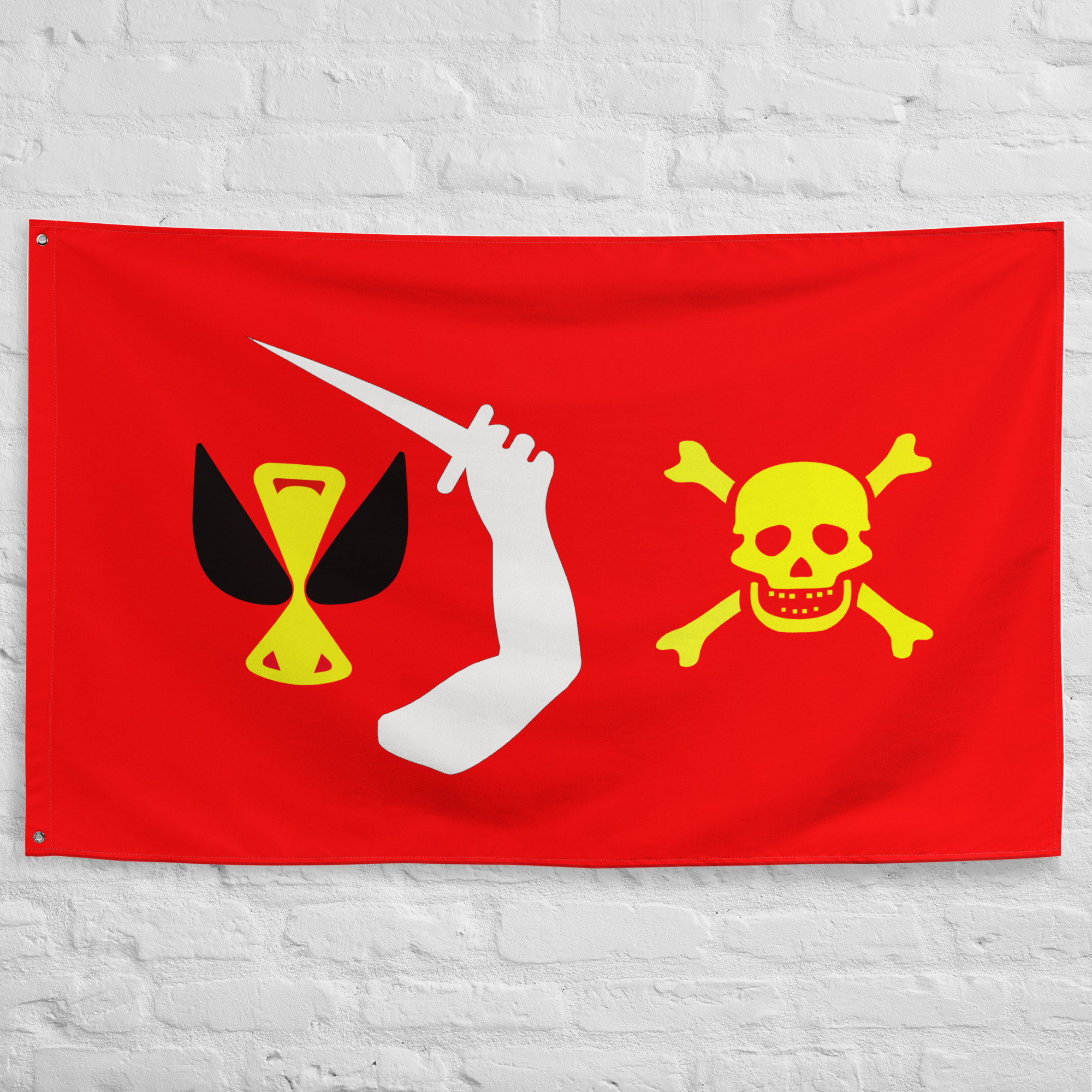
The Christopher Moody Pirate Flag is one of the most distinctive and recognizable pirate banners from the Golden Age of Piracy. Featuring a vivid red field decorated with a winged hourglass, an armed arm holding a sword, and a skull and crossbones, this dramatic design was intended to inspire fear among merchant crews and rival sailors. The flag remains one of the most famous examples of a Jolly Roger and continues to fascinate historians, collectors, and enthusiasts of maritime history.
Who Was Christopher Moody
Christopher Moody is often associated with pirate activity during the early eighteenth century, a period commonly known as the Golden Age of Piracy. Although historical records about Moody are limited compared to those of more famous pirates such as Blackbeard or Bartholomew Roberts, his name became closely connected with one of the most striking pirate flags ever attributed to a sea raider.
The Meaning Behind the Christopher Moody Pirate Flag
The Christopher Moody Flag contains several powerful symbols commonly associated with pirate culture. Unlike black pirate flags that often offered an opportunity to surrender, the red background traditionally suggested that little mercy would be shown. This intimidating appearance helped pirates establish psychological dominance before a battle even began.
The Symbolism of the Winged Hourglass
One of the most famous features of the flag is the winged hourglass. On the Pirate Flag, this symbol served as a warning that time was running out for those who resisted. It reminded potential victims that death could arrive quickly if they refused to surrender their cargo or vessel.
The Sword Bearing Arm
The white arm holding a raised sword symbolizes combat readiness and the willingness to use force. Pirate crews depended on their fearsome reputation to secure victories with minimal resistance. By displaying a weapon prominently on the banner, the flag communicated a clear threat to anyone considering opposition.
The Skull and Crossbones Tradition
The skull and crossbones featured on the Jolly Roger Flag became the universal symbol of piracy. Representing death and danger, the image was easily recognized by sailors throughout the Atlantic world. Variations of this symbol appeared on many pirate flags, but its combination with the other elements of the Christopher Moody design made this banner particularly memorable.
Piracy During the Golden Age
The era between approximately 1650 and 1730 witnessed the height of pirate activity in the Caribbean, Atlantic Ocean, and American coastlines. During this period, pirates targeted merchant vessels carrying valuable cargo. The Historic Pirate Banner reflects the atmosphere of danger and adventure that characterized maritime life during these decades.
The Importance of Pirate Flags
Pirate flags served practical as well as symbolic purposes. Crews used them to identify themselves and intimidate opponents. A famous banner could spread fear across entire shipping routes. The Christopher Moody Pirate Flag exemplifies how imagery and reputation became powerful weapons in the world of piracy.
Why Collectors Appreciate the Christopher Moody Pirate Flag
Collectors value the Christopher Moody Pirate Flag because of its dramatic design and historical associations. Unlike simpler pirate banners, this flag combines multiple symbols that tell a story of danger, mortality, and maritime warfare. Its unique appearance makes it one of the most sought after pirate themed flags among history enthusiasts.
The Legacy of Pirate Symbolism
The influence of pirate flags extends far beyond their original historical context. Today, pirate imagery appears in films, books, video games, festivals, and popular culture around the world. The Christopher Moody design remains one of the most recognizable examples of the artistic traditions that emerged during the Golden Age of Piracy.
Educational Value and Historical Interest
The Christopher Moody Flag provides a fascinating introduction to maritime history and the culture of piracy. It encourages exploration of naval trade, colonial expansion, privateering, and the legends that continue to surround the pirates of the Caribbean and Atlantic worlds.
Browse our collection of Historical Flags to discover more banners inspired by famous pirates, naval powers, kingdoms, and legendary historical figures.
Learn more about the history of piracy through Encyclopaedia Britannica: History of Piracy.
Product Features
- 100% polyester construction
- Durable knitted fabric
- Printed on one side
- Blank reverse side
- 2 iron grommets for easy display
- Suitable for indoor and outdoor use




Reviews
There are no reviews yet.