
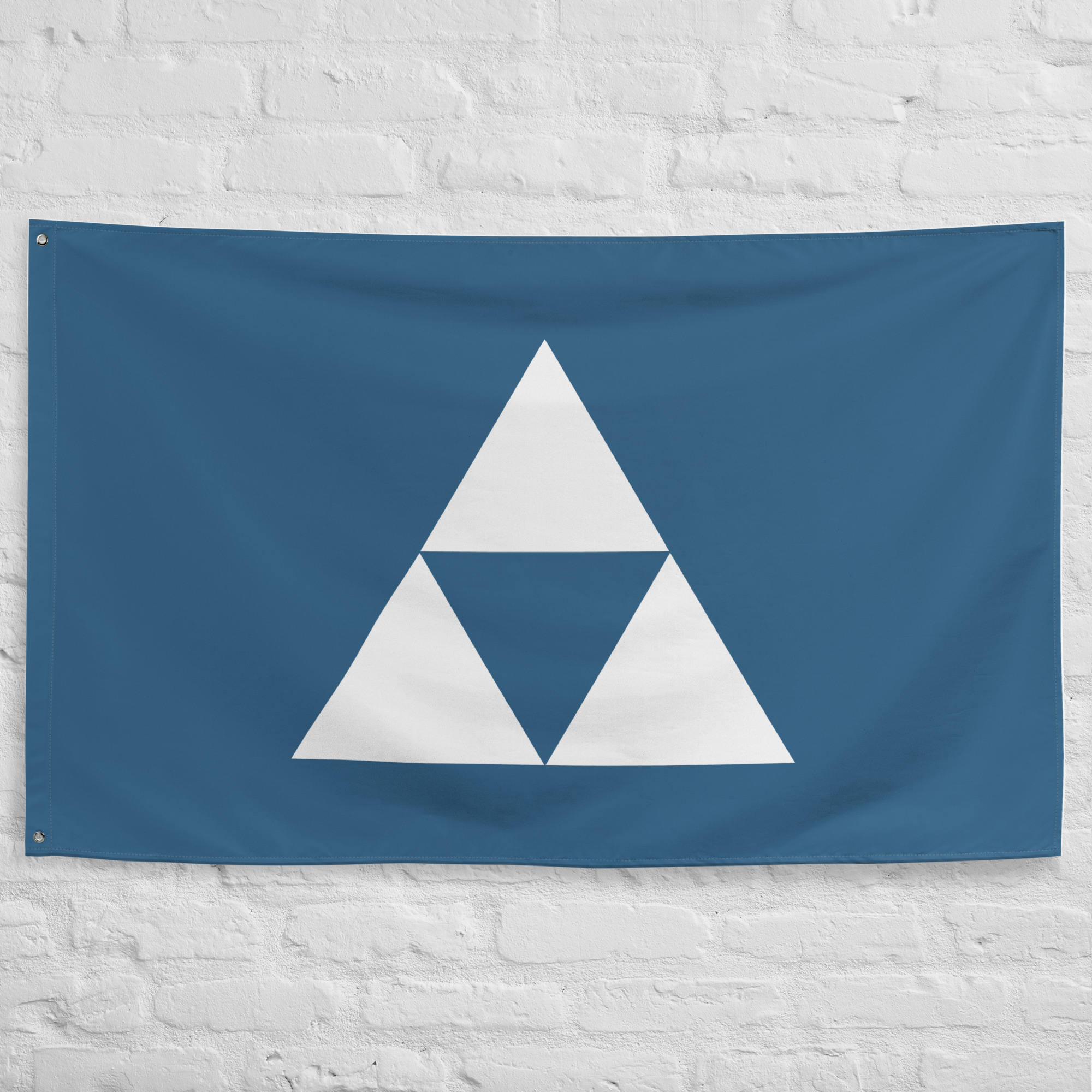
Hojo Clan Crest Flag Symbol of Samurai Power and Feudal Japan
The Hojo Clan Crest Flag represents one of the most influential warrior families in Japanese history. Featuring the famous Hojo family mon displayed against a blue field, this historic banner symbolizes military strength, political leadership, and centuries of regional dominance. The Hojo clan became renowned for its control of the Kanto region and its formidable defenses centered around Odawara Castle. Today, the flag remains a powerful symbol of samurai heritage and the legacy of one of Japan’s greatest feudal dynasties.
The Origins of the Hojo Clan
The Hojo name holds a unique place in Japanese history. While the original Hojo clan played a major role during the Kamakura period, the clan most commonly associated with this crest is the Later Hojo, also known as the Go Hojo. Emerging during the Sengoku period, the family rose from regional leadership to become one of the dominant powers of eastern Japan.
The Meaning Behind the Hojo Clan Crest Flag
The Hojo Clan Mon features a simple yet highly recognizable geometric design. Like many Japanese family crests, it was intended to be instantly identifiable on banners, armor, and military standards. The emblem became synonymous with Hojo authority and represented the strength and unity of the clan.
The Tradition of Japanese Family Crests
The Hojo Family Crest Flag reflects the long tradition of Japanese heraldry known as mon. These family symbols served as visual identifiers for samurai clans and noble houses throughout feudal Japan. They appeared on clothing, weapons, official documents, and battlefield standards, helping distinguish allies from enemies.
The Rise of the Later Hojo Clan
The history of the Hojo clan is closely linked to Hojo Soun, the founder of the Later Hojo dynasty. Through strategic diplomacy, military campaigns, and careful administration, he established a powerful regional state centered in the Kanto region. His successors expanded this foundation and transformed the clan into one of Japan’s most formidable powers.
Odawara Castle and Hojo Power
The Japanese Clan Flag became closely associated with Odawara Castle, one of the strongest fortifications in feudal Japan. The castle served as the political and military center of Hojo authority for generations. Its impressive defenses symbolized the clan’s ability to withstand attacks and maintain regional dominance.
The Hojo Clan During the Sengoku Period
Throughout the Sengoku era, the Hojo expanded their influence across eastern Japan. Through warfare, diplomacy, and alliances, they secured control over extensive territories. Their success made them one of the principal rivals of other major daimyo families competing for power during the age of warring states.
Military Innovation and Leadership
The Samurai Clan Flag represents a family known for effective military organization and strategic planning. The Hojo developed strong administrative systems and maintained disciplined armies capable of defending their territories against powerful opponents. These qualities contributed greatly to their long lasting success.
The Siege of Odawara
One of the most significant events in the clan’s history occurred in 1590 when Toyotomi Hideyoshi launched a massive campaign against the Hojo. The Siege of Odawara became one of the largest military operations of the Sengoku period. Following the surrender of the castle, Hojo dominance came to an end, paving the way for the final unification of Japan.
The Legacy of the Hojo Clan
Although their political power ended, the influence of the Hojo clan remains an important part of Japanese history. Their achievements in governance, military organization, and regional administration continue to be studied by historians. The clan’s story exemplifies the ambition and resilience that characterized the Sengoku period.
Why Collectors Appreciate the Hojo Clan Crest Flag
Collectors and enthusiasts of Japanese history value the Hojo Clan Crest Flag because it represents one of the most powerful clans of feudal Japan. Its connection to Odawara Castle, the Sengoku period, and the dramatic struggle for Japanese unification makes it a highly desirable banner for fans of samurai culture.
Educational Value and Historical Importance
The Hojo Clan Mon provides valuable insight into Japanese heraldry, feudal warfare, and the political history of eastern Japan. It serves as an excellent educational resource for understanding the powerful families that shaped the course of Japanese history.
Browse our collection of Historical Flags to discover more banners inspired by legendary samurai clans, kingdoms, empires, and historical movements.
Learn more about the Sengoku period through Encyclopaedia Britannica: History of the Sengoku Period.
Product Features
- 100% polyester construction
- Durable knitted fabric
- Printed on one side
- Blank reverse side
- 2 iron grommets for easy display
- Suitable for indoor and outdoor use





Reviews
There are no reviews yet.