
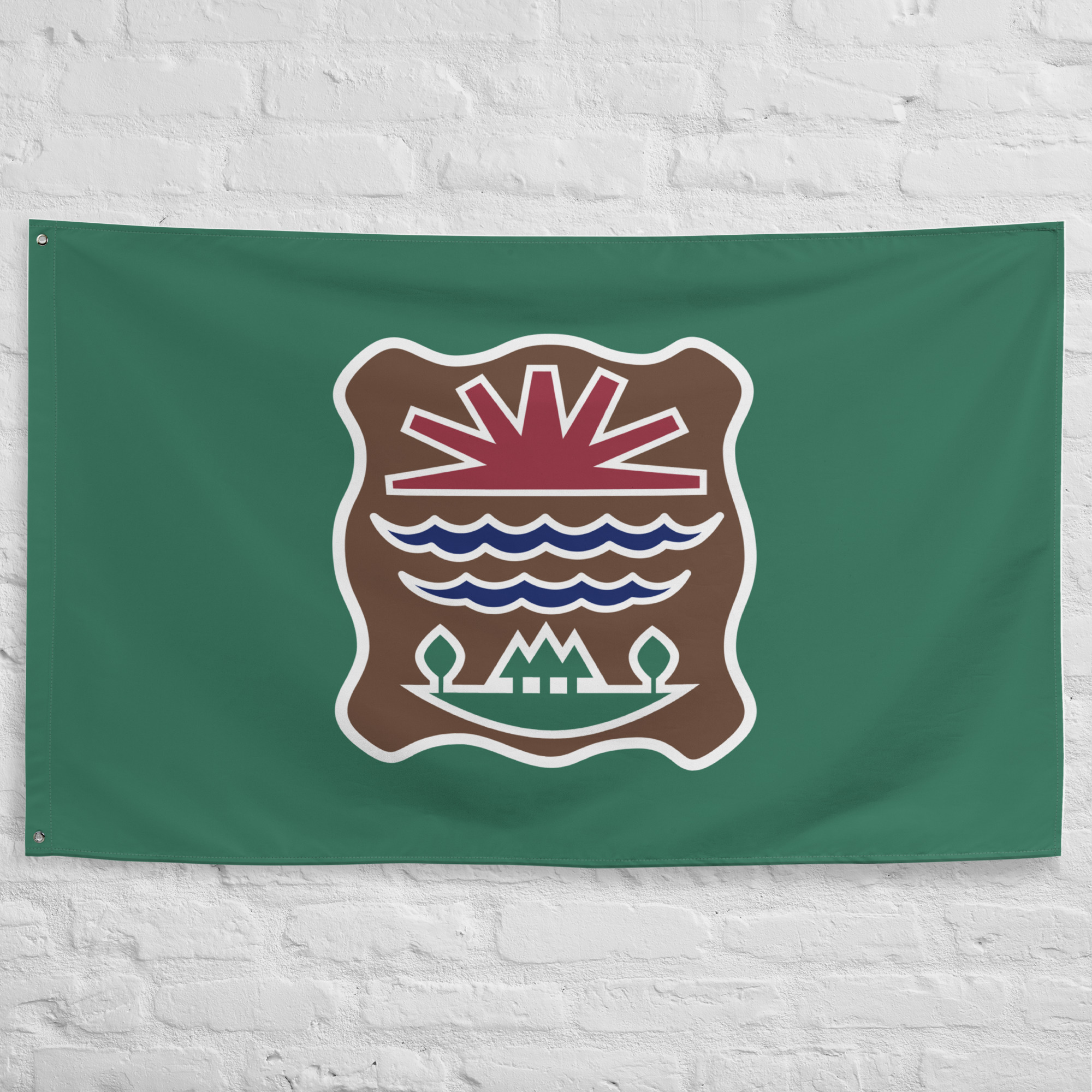
Western Abenaki Flag Symbol of Indigenous Heritage and Cultural Identity
The Western Abenaki Flag represents the rich history, traditions, and cultural identity of the Abenaki people. As one of the Indigenous nations of the Northeastern Woodlands, the Abenaki have maintained strong connections to their ancestral lands, communities, and traditions for generations. The symbols displayed on this banner reflect important aspects of Abenaki heritage, including the natural environment, community life, and cultural continuity. Today, the flag serves as a proud symbol of identity and resilience for Abenaki people and those interested in Indigenous history.
The Origins of the Abenaki People
The Abenaki are an Indigenous people whose traditional homeland extends across parts of present-day Vermont, New Hampshire, Maine, Quebec, and neighboring regions. For centuries, Abenaki communities developed thriving societies based on cooperation, trade, agriculture, hunting, fishing, and strong family networks.
The Meaning Behind the Western Abenaki Flag
The Abenaki Nation Flag incorporates imagery associated with the land, water, and cultural traditions of the Abenaki people. These symbols represent the close relationship between Indigenous communities and the natural world, which remains an important element of Abenaki identity.
The Northeastern Woodlands
The Western Abenaki Banner reflects a culture shaped by forests, rivers, lakes, and mountains. The Northeastern Woodlands provided abundant resources and supported vibrant communities that adapted to seasonal cycles and environmental conditions.
Traditional Abenaki Society
Abenaki communities traditionally lived in villages connected through family relationships and regional alliances. Leadership, cooperation, and respect for community values played important roles in maintaining social harmony and cultural continuity.
The Importance of Nature
The Abenaki Tribal Flag symbolizes a people whose traditions are deeply connected to the natural environment. Rivers, forests, wildlife, and seasonal changes influenced daily life and continue to hold cultural significance today.
Trade and Regional Connections
The Abenaki participated in extensive trade networks throughout the Northeast. These connections allowed communities to exchange goods, knowledge, and cultural traditions with neighboring Indigenous nations.
Language and Cultural Preservation
The preservation of language remains an important aspect of Abenaki cultural identity. Educational and cultural programs continue to support the revitalization of traditional knowledge, language, and historical awareness.
Resilience Through History
The Indigenous Heritage Flag represents generations of resilience and adaptation. Despite historical challenges, Abenaki communities have preserved many cultural traditions while continuing to strengthen and celebrate their heritage.
Modern Abenaki Communities
Today, Western Abenaki communities continue to contribute to the cultural life of North America. Festivals, educational initiatives, historical projects, and community programs help preserve and share Abenaki traditions with future generations.
Why Collectors Appreciate the Western Abenaki Flag
Collectors value the Western Abenaki Flag because it represents an important Indigenous nation with a rich and enduring cultural heritage. The banner serves as both a decorative piece and an educational symbol of Indigenous history.
The Importance of First Nations Flags
First Nations and Indigenous flags help preserve cultural identity while representing sovereignty, heritage, and community pride. They provide visible recognition of the diverse Indigenous nations that continue to shape North American history.
The Legacy of the Western Abenaki
The history of the Western Abenaki remains an important part of the broader story of Indigenous North America. Their traditions, cultural achievements, and enduring presence continue to inspire interest and respect throughout the region.
Educational Value and Historical Importance
The Abenaki Nation Flag serves as an excellent educational resource for exploring Indigenous history, First Nations culture, Northeastern Woodlands societies, and the preservation of traditional knowledge.
Browse our collection of First Nations Flags to discover more banners representing Indigenous nations, tribal communities, and Native heritage from across North America.
Learn more about the Abenaki people at Encyclopaedia Britannica.
Product Features
- 100% polyester construction
- Durable knitted fabric
- Printed on one side
- Blank reverse side
- 2 iron grommets for easy display
- Suitable for indoor and outdoor use



Reviews
There are no reviews yet.