
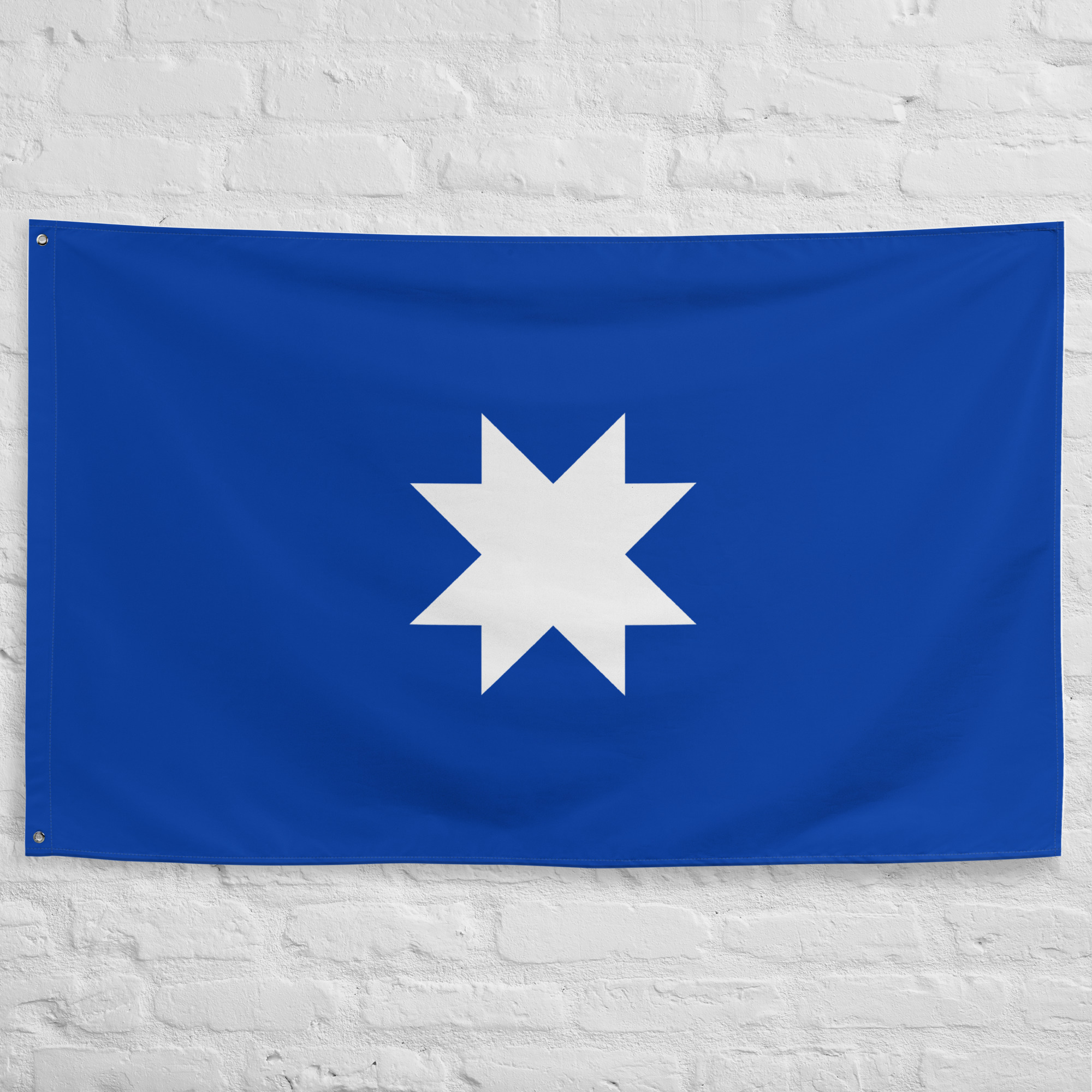
Mapuche Flag Symbol of Indigenous Identity and Cultural Heritage
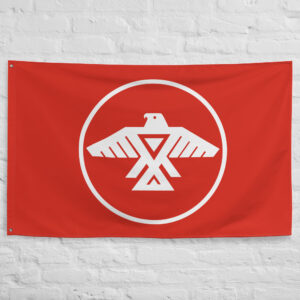
The Mapuche Flag represents one of South America’s most resilient and influential Indigenous peoples. The Mapuche have inhabited parts of present-day Chile and Argentina for centuries, preserving their language, traditions, and cultural identity despite immense historical challenges. Featuring symbols deeply connected to Mapuche spirituality and heritage, this banner serves as a proud representation of Indigenous sovereignty, community, and cultural continuity. Today, the flag is recognized around the world as a symbol of the enduring legacy of the Mapuche Nation.
The Origins of the Mapuche People
The Mapuche are among the largest Indigenous groups in South America. Their traditional territories extend across southern Chile and parts of western Argentina. For centuries, Mapuche communities developed complex social structures, agricultural systems, and cultural traditions that shaped the history of the region.
The Meaning Behind the Mapuche Flag
The Mapuche Banner incorporates symbols that reflect the worldview, spirituality, and traditions of the Mapuche people. Every element of the design carries cultural significance and connects modern generations with ancestral heritage.
The Kultrun and Sacred Symbolism
Many versions of the Indigenous Mapuche Flag feature symbols inspired by the Kultrun, a ceremonial drum used by Mapuche spiritual leaders. The Kultrun represents the universe, the natural world, and the balance between different elements of life.
The Eight-Pointed Star
The prominent white star often seen on the flag symbolizes guidance, knowledge, and spiritual connection. Within Mapuche tradition, celestial symbols play an important role in understanding nature, time, and community life.
Resistance and Independence
The Mapuche Nation Flag represents a people known for their determination and independence. For centuries, Mapuche warriors successfully resisted both Inca expansion and later Spanish colonization, preserving autonomy over large territories.
The Arauco War
One of the longest conflicts in the history of the Americas was the Arauco War, a struggle between Mapuche communities and Spanish colonial authorities. This conflict lasted for generations and became a defining chapter in regional history.
Mapuche Society and Culture
Traditional Mapuche society was organized around family groups and local communities. Leadership structures, agricultural knowledge, oral traditions, and spiritual beliefs helped maintain social cohesion and cultural continuity.
The Mapuche Language
The Mapudungun language remains one of the most important elements of Mapuche identity. Efforts to preserve and revitalize the language continue today through education, cultural programs, and community initiatives.
The Importance of Nature
The Mapuche Heritage Flag reflects a worldview that emphasizes harmony with nature. Rivers, forests, mountains, animals, and celestial bodies hold significant cultural and spiritual meaning within traditional Mapuche beliefs.
Mapuche Communities Today
Modern Mapuche communities continue to play an important role in the cultural life of Chile and Argentina. Organizations dedicated to preserving language, traditions, and historical knowledge help ensure that future generations remain connected to their heritage.
Art, Music, and Tradition
Mapuche culture includes rich artistic traditions expressed through weaving, silverwork, music, storytelling, and ceremonial practices. These traditions remain vibrant and continue to inspire cultural pride throughout the region.
Why Collectors Appreciate the Mapuche Flag
Collectors value the Mapuche Flag because it represents one of the most important Indigenous cultures in South America. Its meaningful symbolism and historical significance make it a unique addition to any collection focused on Indigenous heritage and world cultures.
Educational and Historical Importance
The flag offers an excellent opportunity to explore Indigenous history, cultural resilience, South American civilizations, and the importance of preserving traditional knowledge. It serves as a powerful educational symbol of identity and continuity.
The Enduring Legacy of the Mapuche People
The legacy of the Mapuche continues to shape the cultural landscape of southern South America. Their history of resilience, independence, and cultural preservation remains an inspiring example of Indigenous strength and identity.
Browse our collection of First Nations Flags to discover more banners representing Indigenous nations, tribal communities, and native cultures from around the world.
Learn more about the Mapuche people at Encyclopaedia Britannica.
Product Features
- 100% polyester construction
- Durable knitted fabric
- Printed on one side
- Blank reverse side
- 2 iron grommets for easy display
- Suitable for indoor and outdoor use


Reviews
There are no reviews yet.